


Fact Check
On July 24, 2026, at the opening of the new court complex in Pugoda, Minister of Justice Harshana Nanayakkara made the above statement.
To check the minister’s statement, FactCheck.lk assessed two propositions: (1) whether developed countries generally have at least 40–60 judges per million people; and (2) whether Sri Lanka has approximately 20 judges per million. Data on the number of judges were obtained primarily from the European Commission for the Efficiency of Justice (CEPEJ), the United Nations Office on Drugs and Crime (UNODC), and Sri Lanka’s Ministry of Justice (MoJ) and National Integration’s Annual Performance Report 2025.
On the first proposition, FactCheck.lk examined data for 28 developed economies with populations exceeding five million (see Additional Note 1). For this analysis, developed economies were identified using the IMF’s classification of advanced economies and the World Bank’s classification of high-income economies.
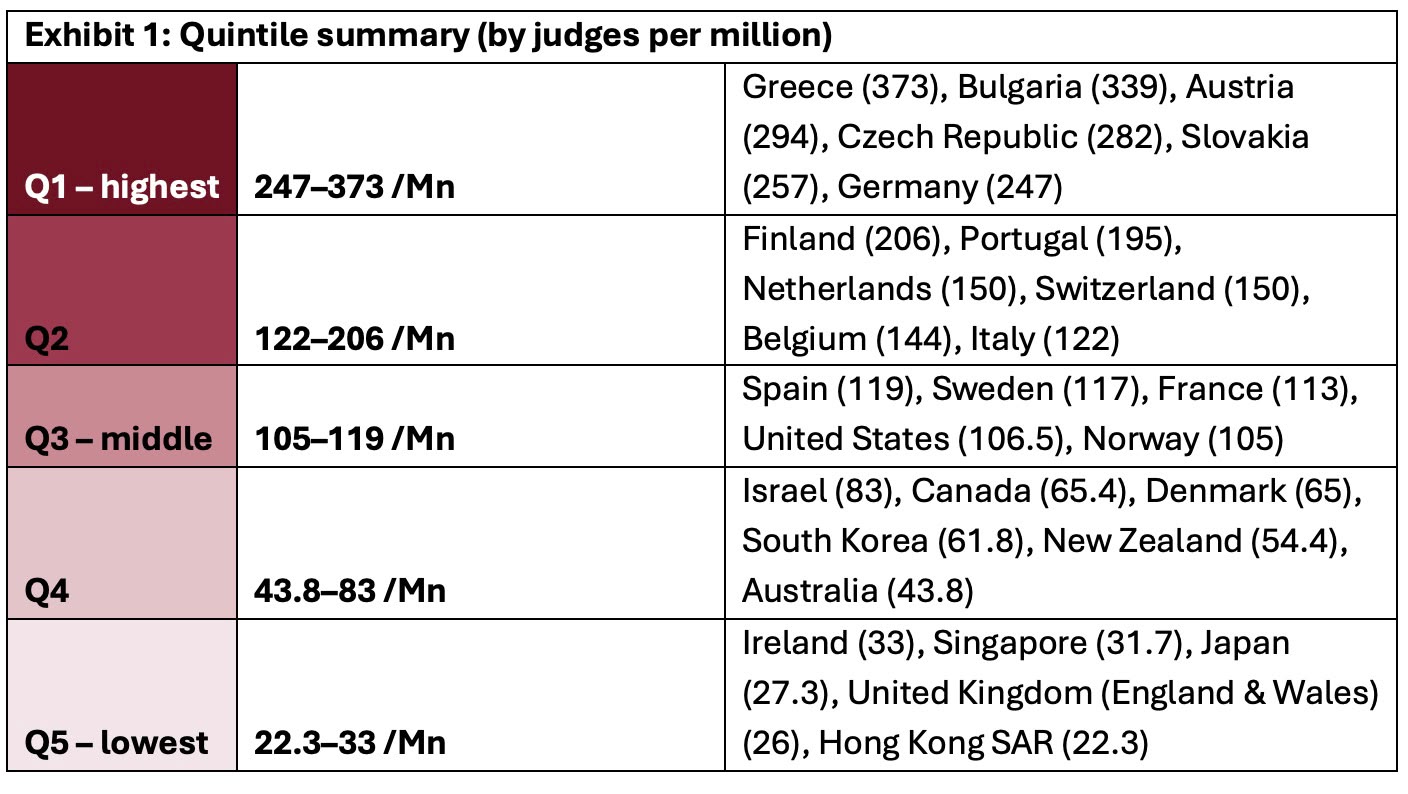
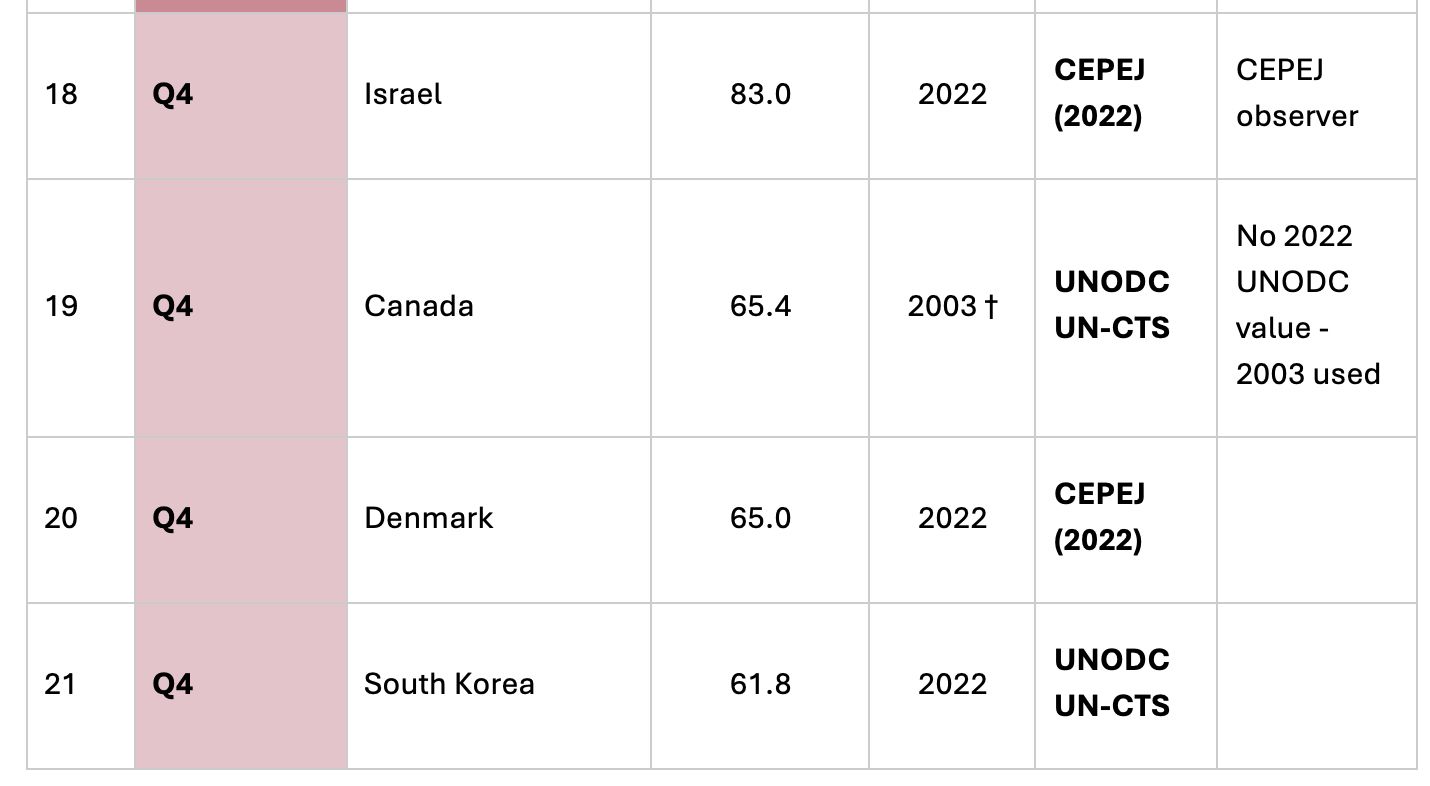
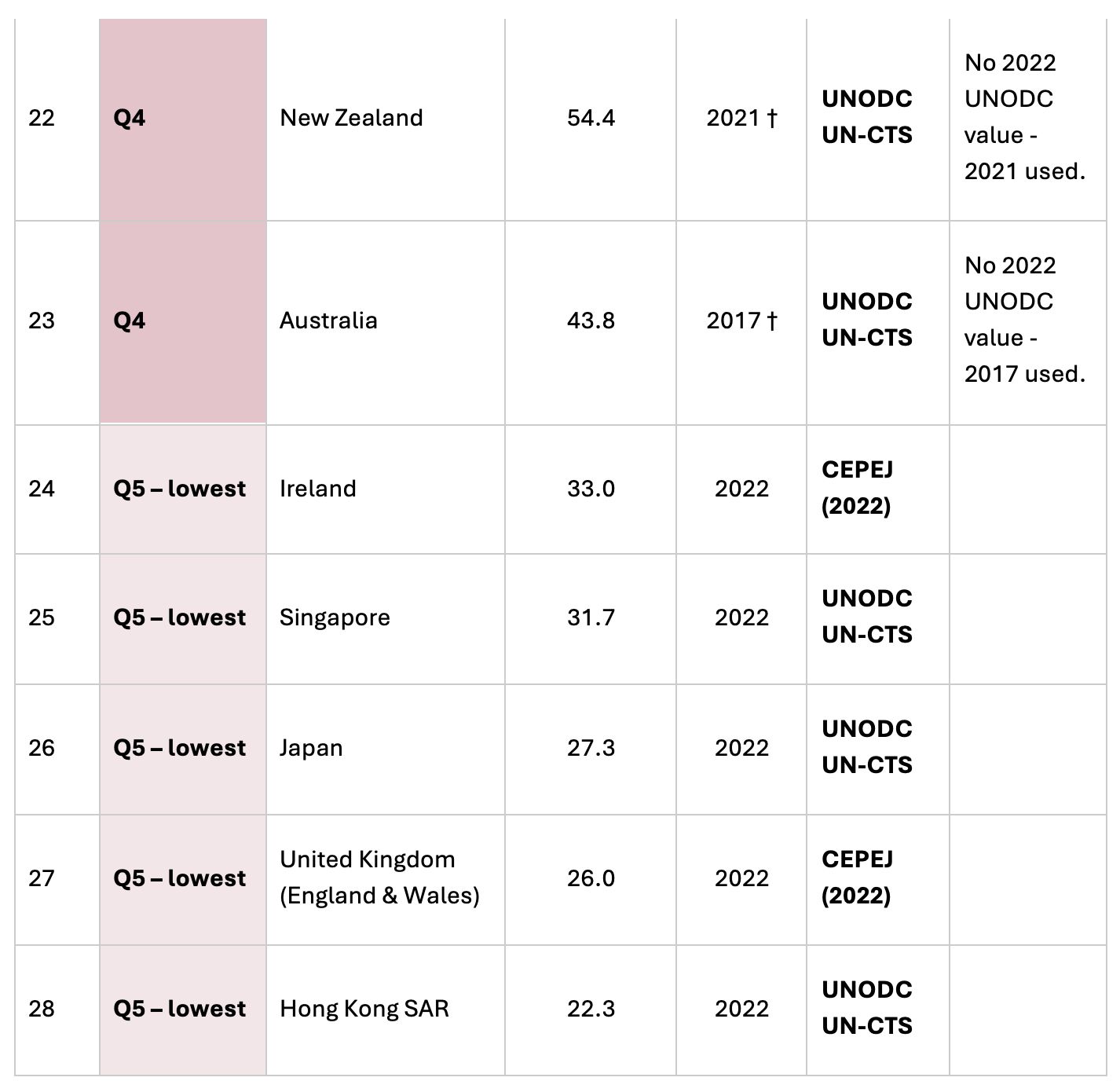
The comparison in Exhibit 1 shows considerable variation across high-income countries (see Additional Note 2). The figures ranged from 22.3 judges per million in Hong Kong SAR to 373 in Greece. Nevertheless, 23 of the 28 economies examined had at least 40 judges per million people, while 21 had at least 60. Therefore, while 40–60 judges per million is not a uniform benchmark across developed economies, the available data support the minister’s broader claim that developed countries generally have 40–60 judges per million or more.
On the second proposition, the MoJ annual report records 419 judges and other listed judicial officers across the Supreme Court, Court of Appeal, High Courts, District Courts, Magistrates’ Courts and other listed judicial bodies as at December 31, 2025.
Sri Lanka’s latest census records a population of 21.78 million. Dividing the 419 judicial officers by this population gives approximately 19.2 judges per million people. This is consistent with the minister’s figure of 20 judges per million.
Accordingly, the available evidence supports both parts of the minister’s statement: most of the developed economies examined have over 40 judges per million people, and Sri Lanka has approximately 20.
Therefore, we classify the minister’s statement as TRUE.
Additional Note 1: Cross-country comparisons should be treated as indicative because there is no single, fully comparable global dataset using an identical definition of a professional judge across different judicial systems. However, this does not materially alter the broad pattern observed in the data.
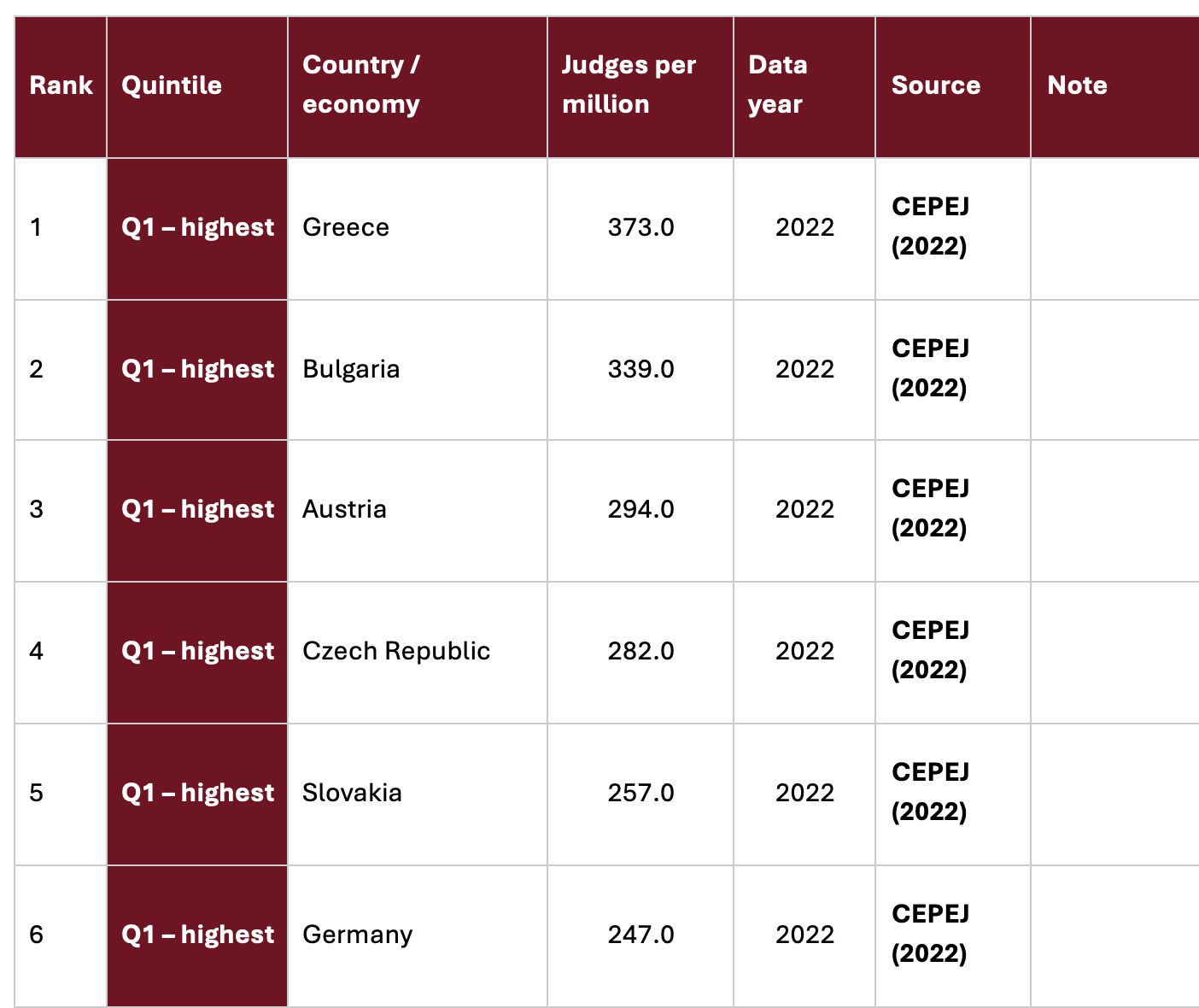
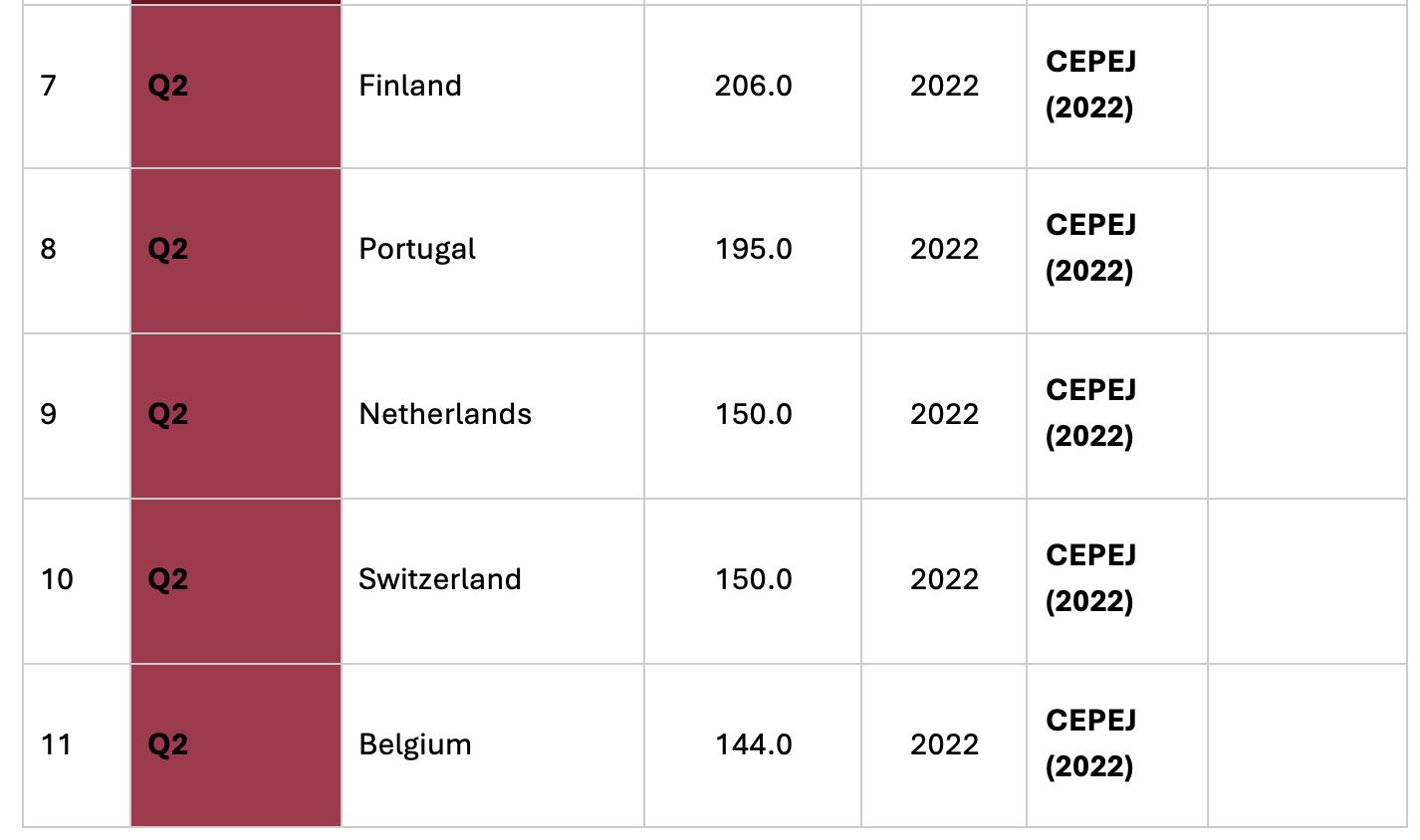
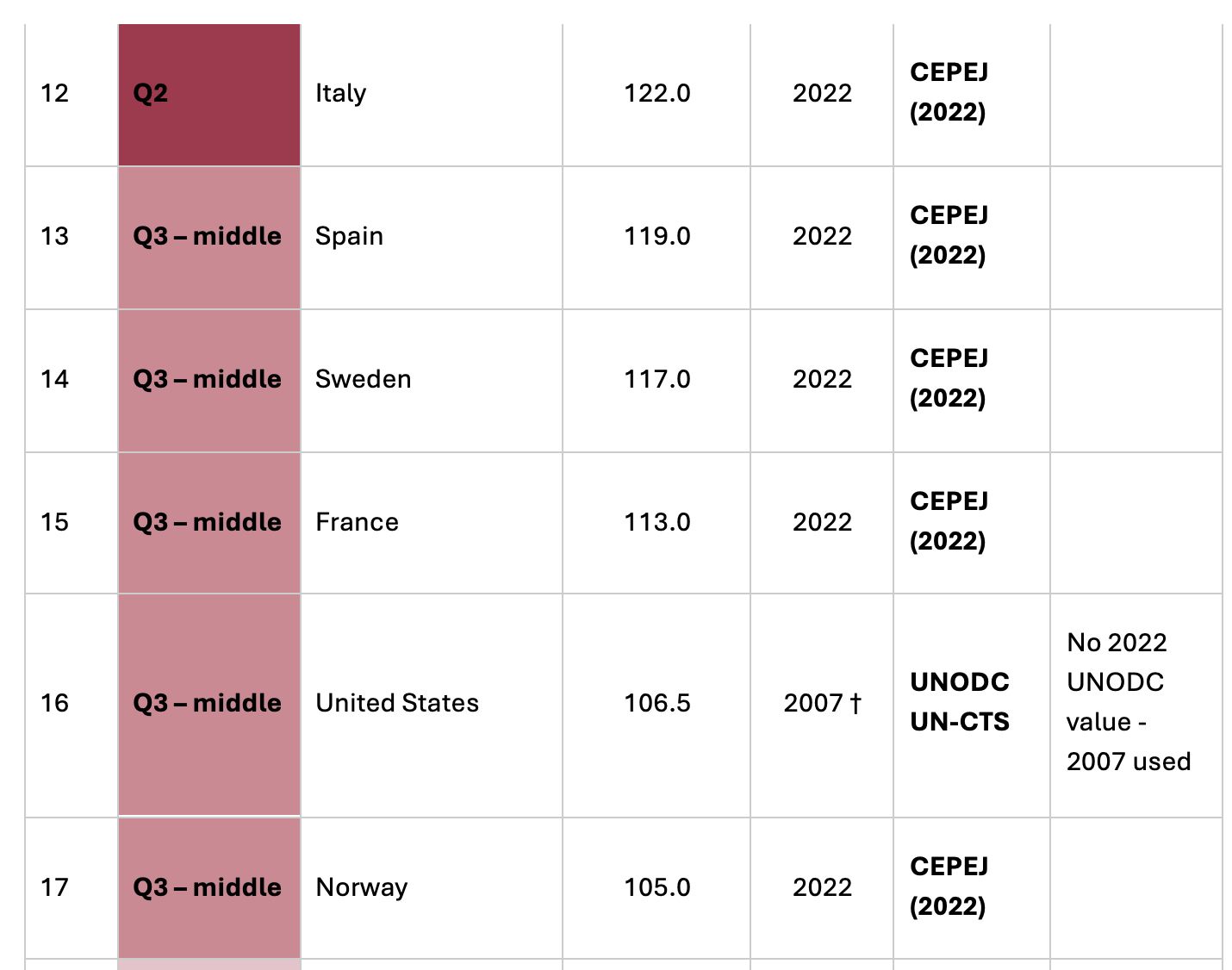
Additional note 2: The international comparison uses the latest reasonably comparable data available. Most observations are from 2022, with some countries relying on the latest available data from earlier years. The full country-level data, data years and sources are set out in Exhibit 1.
*FactCheck.lk’s verdict is based on the most recent information that is publicly accessible. As with every fact check, FactCheck.lk will revisit the assessment if new information becomes available.
Sources
European Commission for the Efficiency of Justice (CEPEJ), ‘CEPEJ-STAT: Dynamic Database of European Judicial Systems’ [https://www.coe.int/en/web/cepej/cepej-stat]
United Nations Office on Drugs and Crime (UNODC), ‘Criminal Justice Personnel’, UNODC Data Portal [https://data.unodc.org/datareport/cjs-personnel]
Ministry of Justice and National Integration, Annual Performance Report 2025 (Government of Sri Lanka 2025) https://www.moj.gov.lk/images/pdf/Annual_Performance/PerformanceReport-2025-E.pdf
Department of Census and Statistics, Census of Population and Housing 2024: Final Report (Government of Sri Lanka 2025) https://www.statistics.gov.lk/Resource/en/Population/CPH_2024/CPH2024_Final_Eng.pdf